5. Engine build and K-swap package
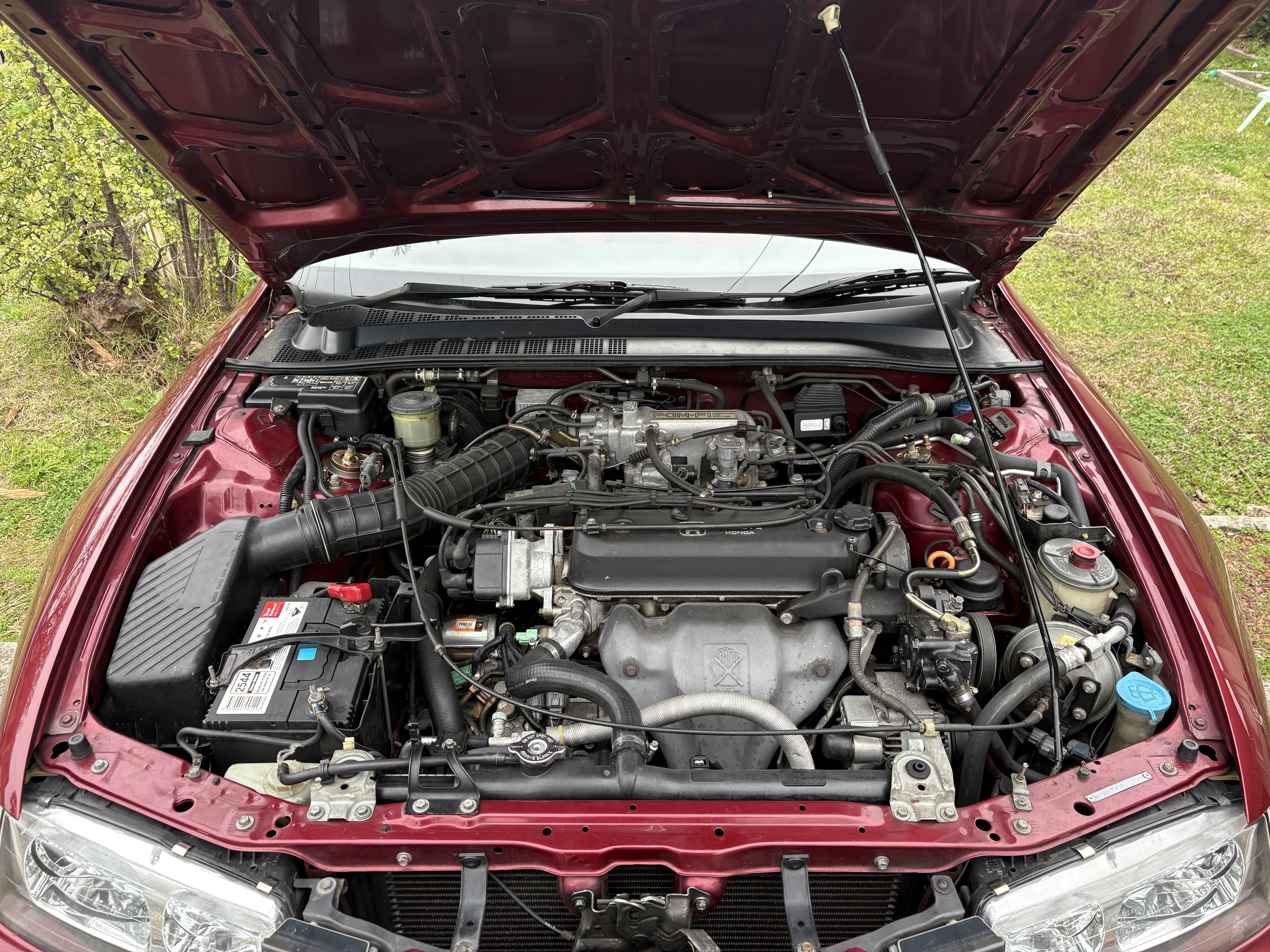
Once the chassis direction was established, the focus moved to the engine build. The goal was not simply to swap in a K-series engine, but to build a package that suited the Prelude properly: naturally aspirated, responsive, torque-rich, and strong enough to make the heavier chassis feel alive.
Choosing the K-series over the H-series was never about turning our back on the older engine, because there is still a lot of respect and affection for it. My first Prelude was an H23A non-VTEC car, and that engine was a big part of what made me fall in love with these cars in the first place, so this decision came from wanting to evolve the platform rather than replace its identity. For this build, the K24 felt like the right way to bring the Prelude into a more modern era, with a lighter engine package, broader aftermarket support, and a larger 2.4 litre capacity that better suits a heavier chassis like the Prelude.
That stage became one of the defining parts of the project, both technically and personally. It brought together the broader vision for the car with the experience, knowledge, and engineering input that shaped the build from the beginning.
Being a heavier chassis than the Civic and Integra, we wanted a larger-displacement engine to really balance the car. The K24 came with two major advantages. It is lighter than the H22A, and it has more displacement. For this build, that made it the right foundation.
We found the donor engine at the wrecker from a 2007 Honda Accord.
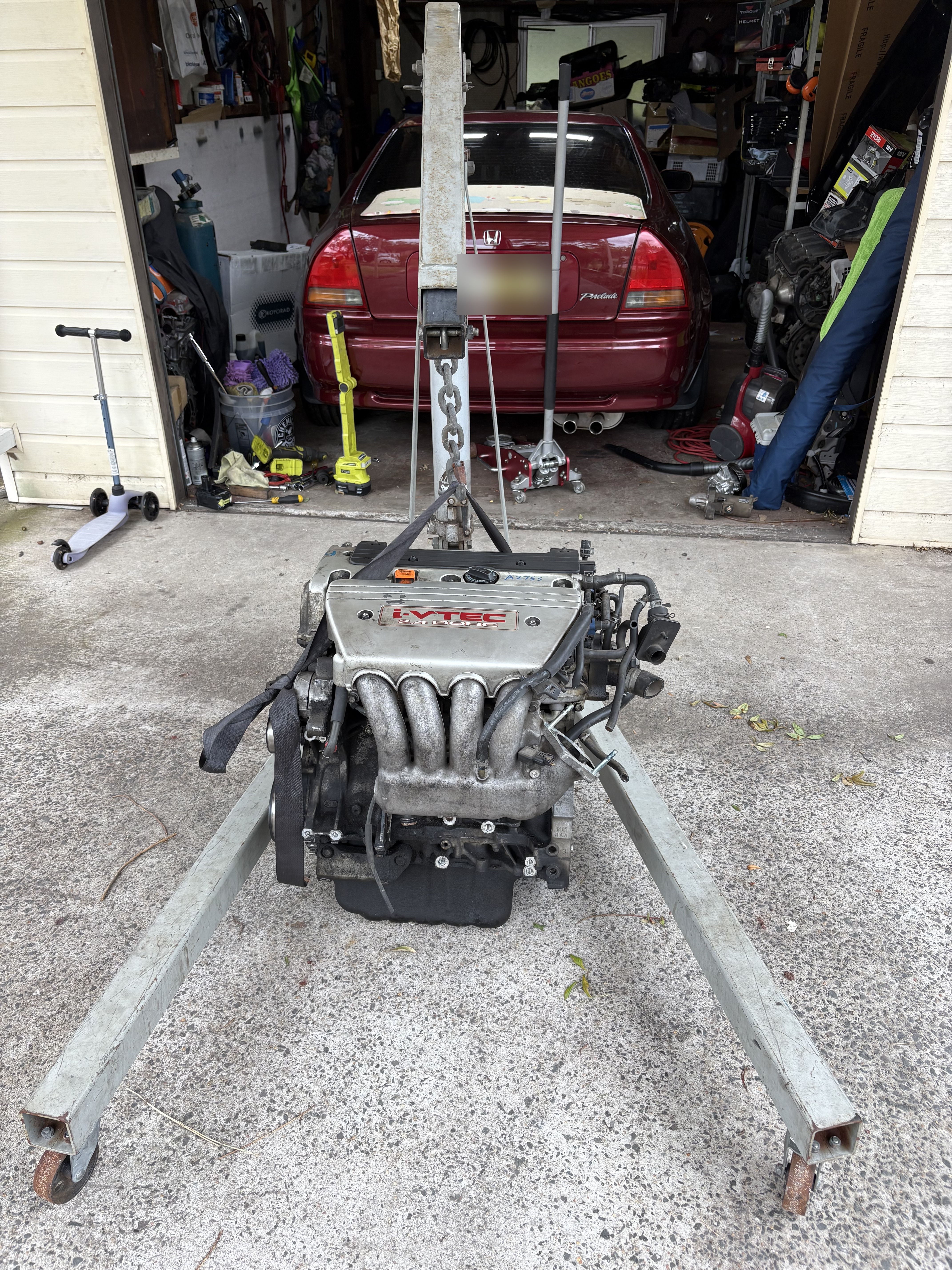
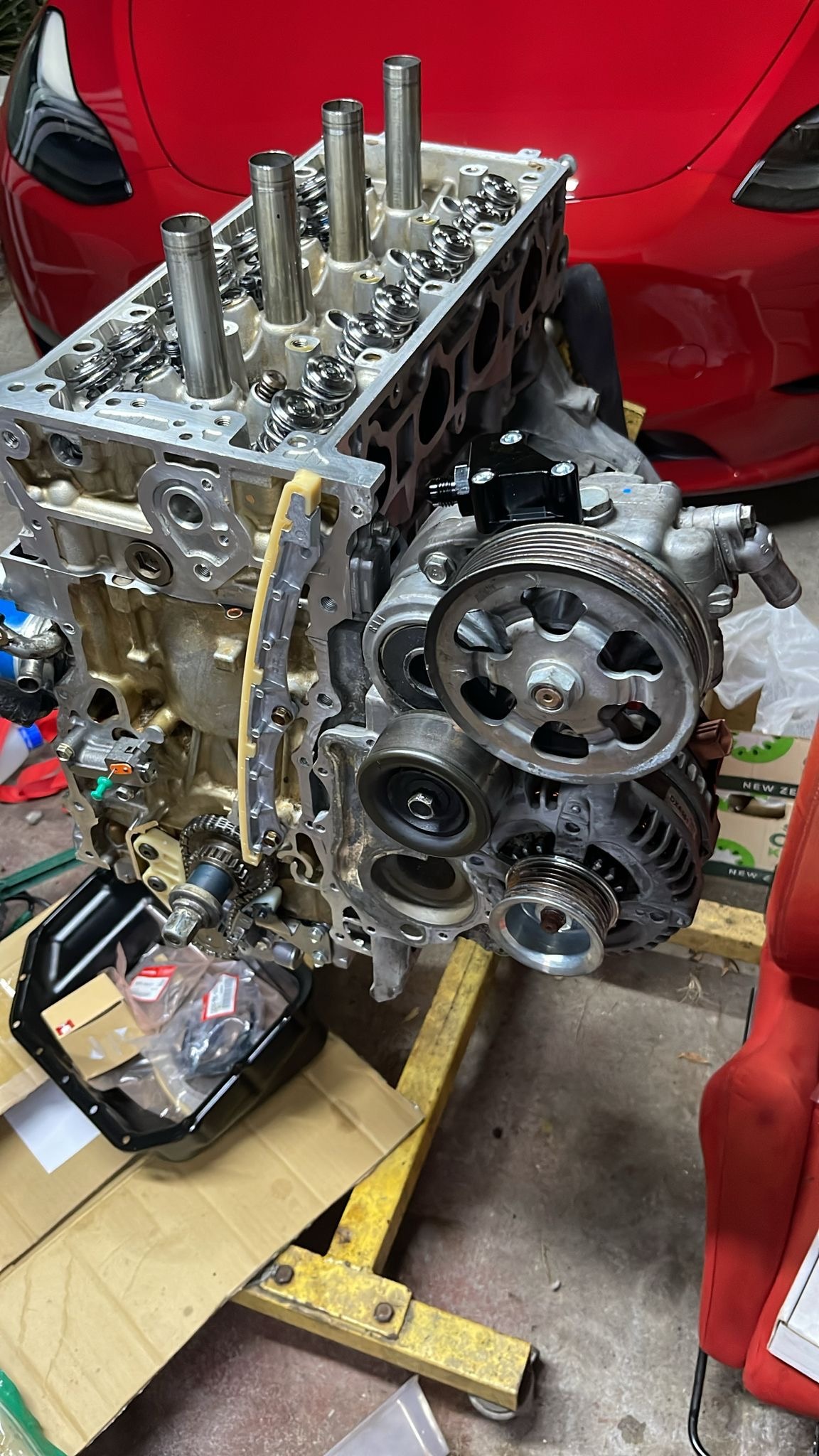
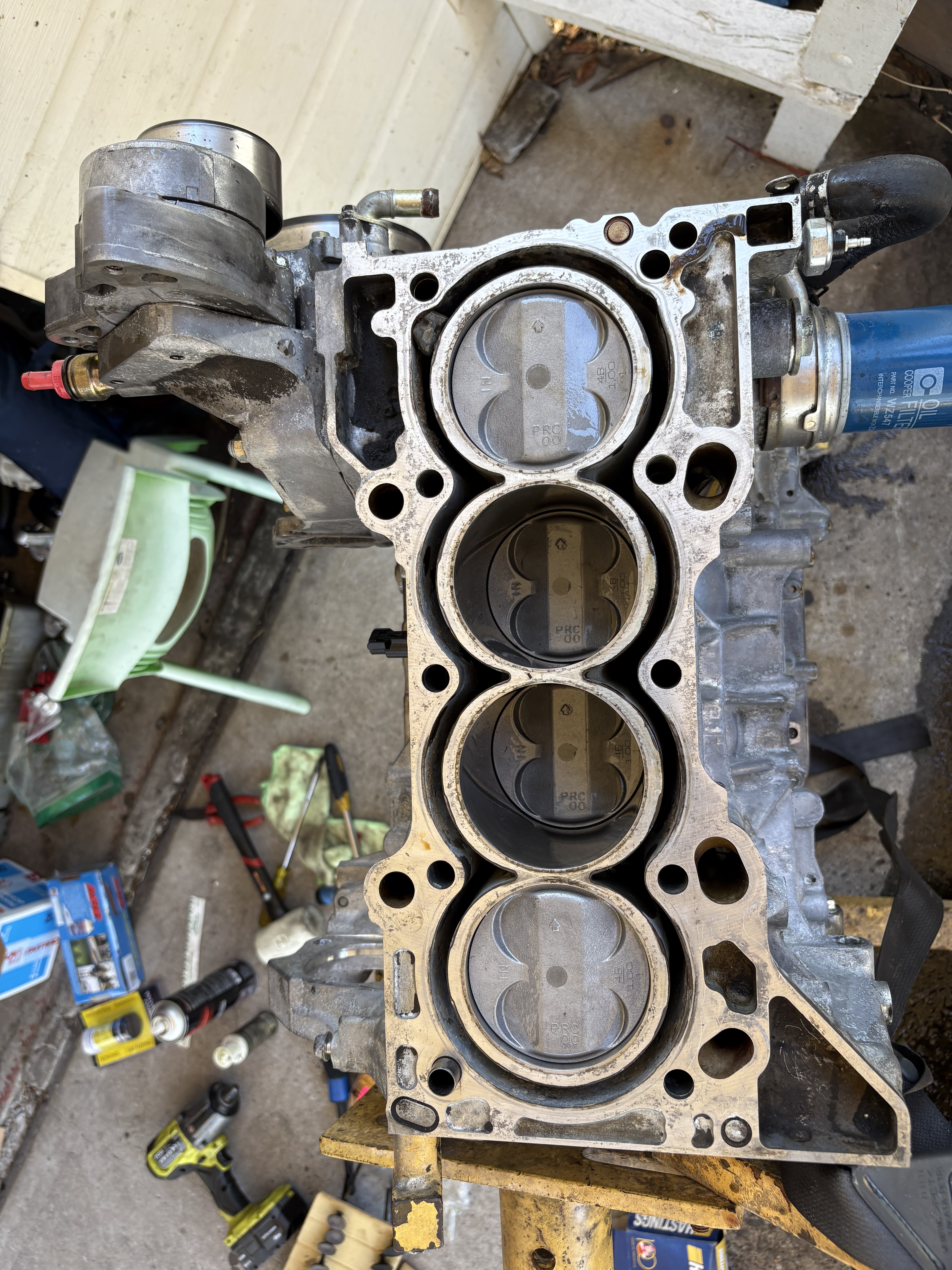
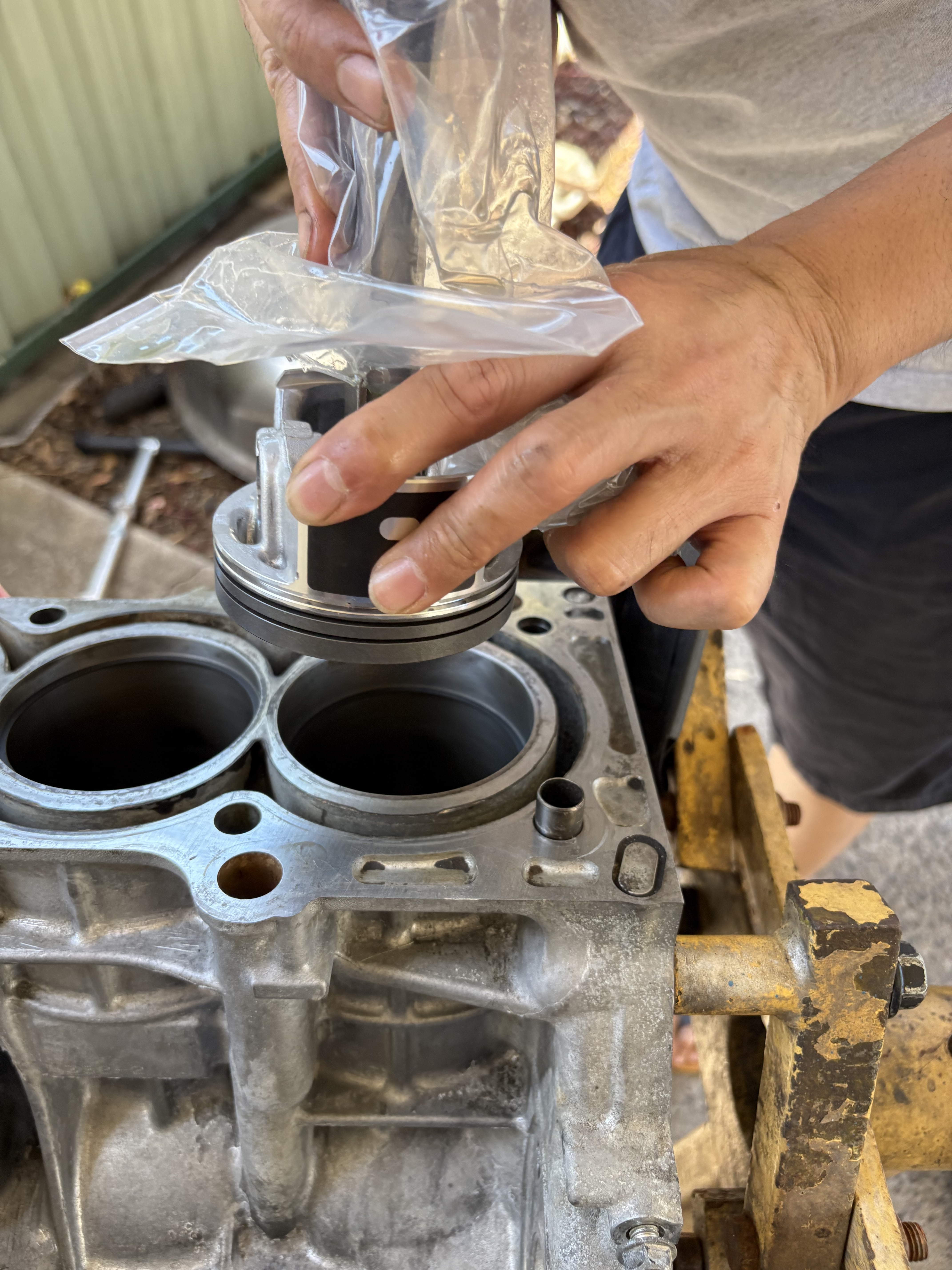
With an all-motor setup, we went with a high-compression build and paired it with Drag Cartel 2.2 camshafts to achieve respectable power while keeping the naturally aspirated character we wanted.
At the core of the build is a K24A3 block paired with an RBB3 cylinder head and supporting valvetrain upgrades. The engine package includes:
- K24A3 block
- RBB3 cylinder head
- Drag Cartel 2.2 camshafts
- Supertech valve springs
- Supertech titanium retainers
- Honda K20A 50 degree variable timing cam gear
- PRB oil pump
- High compression pistons
- SCAT rods
- ARP head studs
- Balance shafts deleted
- Hasport U70A mounts
The engine also received a general refresh with new original equipment parts where needed, because reliability mattered just as much as output.
The intake, exhaust, and fuel system were developed to support that engine package:
Spoon inspired colouring with painted the valve cover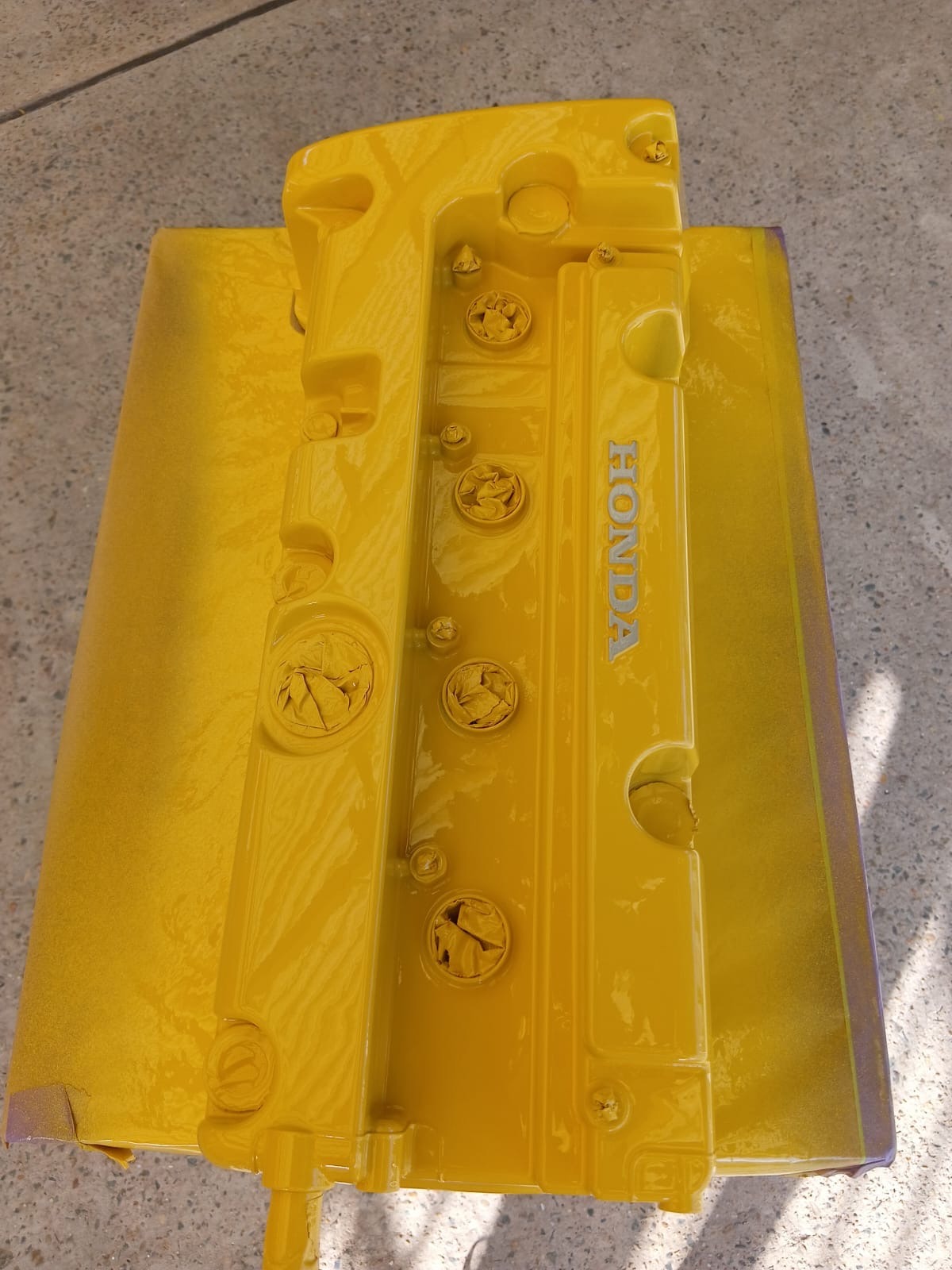
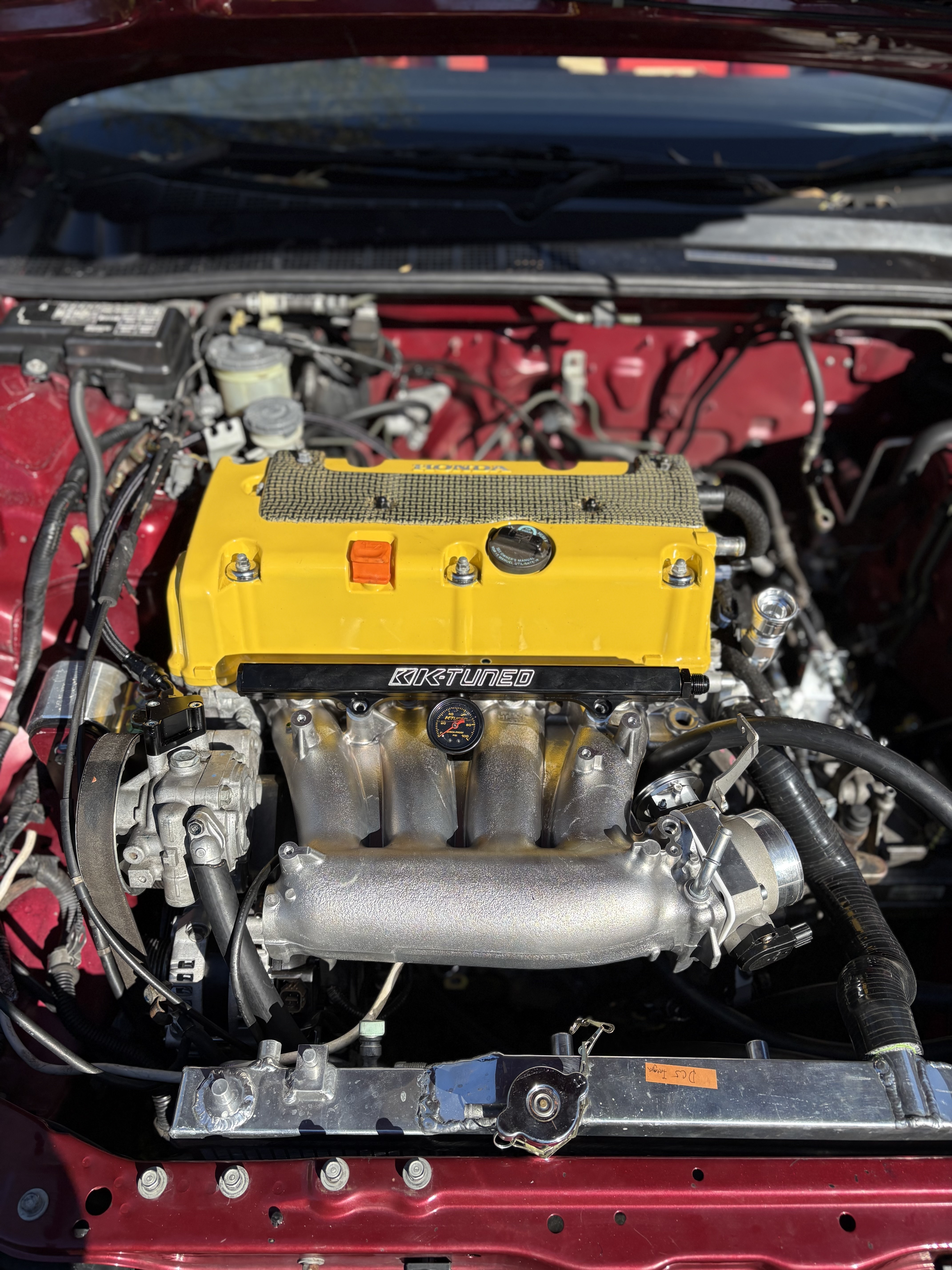
- Honda RRC intake manifold, later ported
- Tegiwa 70 millimetre throttle body
- Skunk2 Alpha headers
- Custom stainless steel 3 inch exhaust built by Toy’s Garage
- Redback 100-cell high-flow catalytic converter
- DeatschWerks 550 cubic centimetres per minute injectors
- Quantum HFP-341 255 litre per hour fuel pump
- Tuned for E85
Driveline support was equally important:
- DC5R transmission
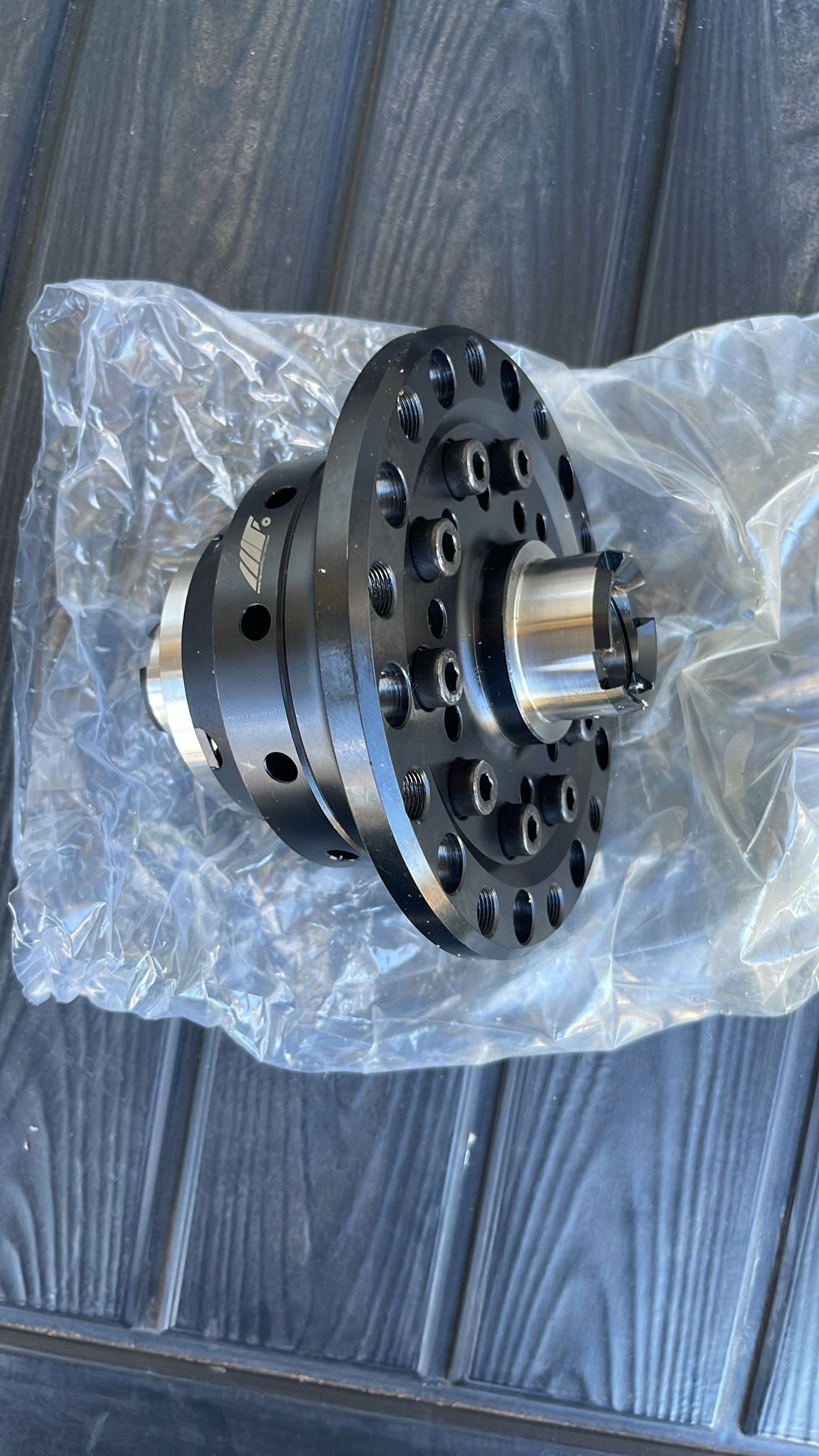
- MFactory 1.5-way helical limited slip differential
- Lightened flywheel
- Exedy sports organic clutch
- Custom axles. Passenger side is a Honda Accord euro shaft with a outer joint from a prelude 5th gen. Drivers side is a CRV half shaft
6. Fabrication, fitment, wiring, and supporting systems
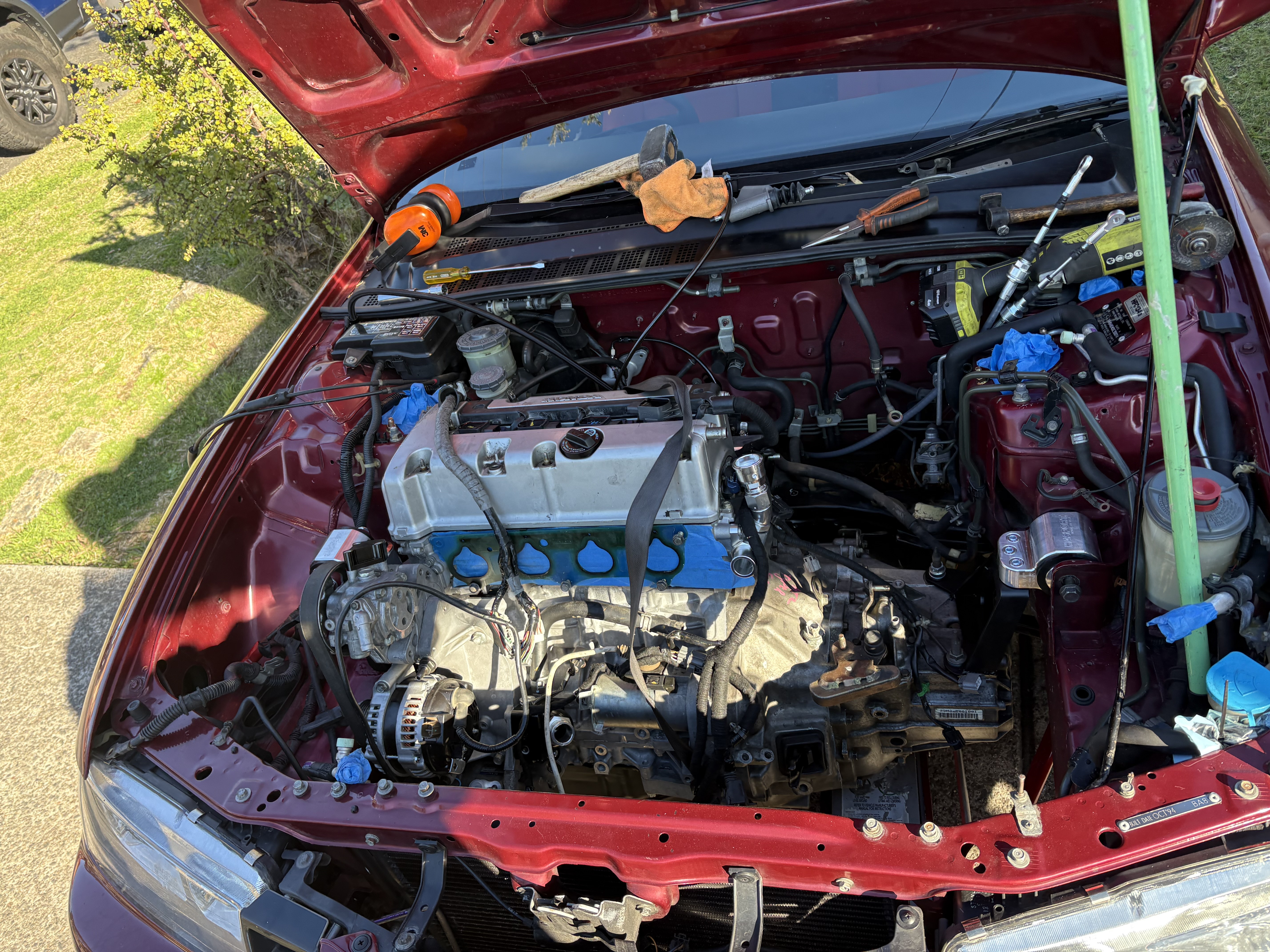
A K-swap into a fourth generation Prelude is not a bolt-in exercise, so packaging and fitment are a major part of what makes this build work. Engine mount choice, traction bar arrangement, drivetrain positioning, exhaust path, cooling layout, and clearance to the bonnet, subframe, steering, and radiator support all matter just as much as the parts themselves.
The car uses a Hasport BBK1 K-series mount kit with U70A race bushings, an Innovative Mounts traction bar, a DC5-compatible aluminium radiator arrangement, and a DC5R K20A2 engine loom. The electrical side is controlled through Hondata K-Pro Version 2, which gives the build the flexibility needed to properly manage fuel, ignition, cam angle, wideband, and knock-related strategy.
From an engineering standpoint, this is one of the most important parts of the project. A clean swap is not only about making the engine start. It is about making every sensor, actuator, and control strategy behave consistently under idle, cruise, heat soak, and full-load operation.
Additional interior and electrical supporting parts include:
- Recaro SR7 seats
- ACUITY Hall Effect throttle position sensor
- K20A2 engine loom from DC5R
- 12 volt 12 amp-hour lithium battery